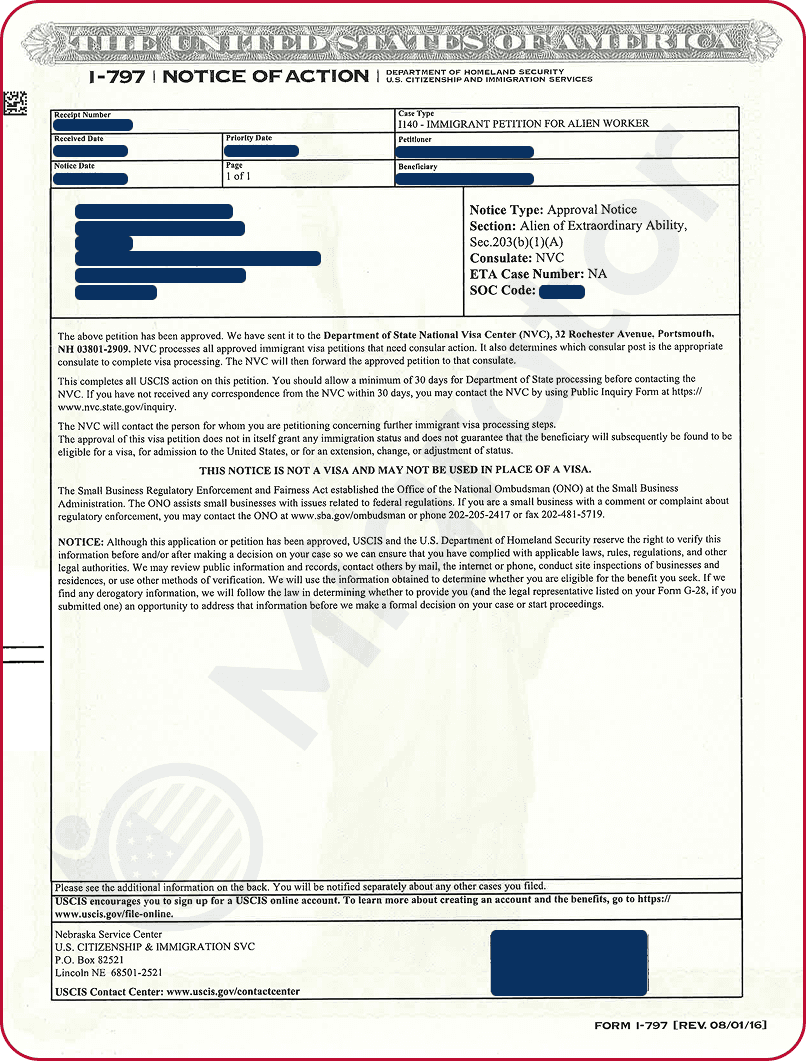
EB-1A Approved for an IT and Business Professional
Industry
IT / business / cloud technology
Position
founder of a technology company
Specialization
digital transformation and cloud technology
Immigration category
EB-1A (Extraordinary Ability)
Visa category: EB-1A (Extraordinary Ability)
Migrator case: EB-1A approval for the founder of a technology company
Our client is the founder of a technology company and a specialist in digital transformation and cloud technology. When the case was being prepared, he was already in the United States in another immigration status. The Migrator team compared two possible paths: EB-1A for a professional of extraordinary ability and EB-1C for a multinational executive or manager.
Because of the specifics of the client’s professional history, the EB-1C requirements were more difficult to document. The team therefore selected EB-1A and built the case around six groups of evidence:
— a leading or critical role;
— a professional award;
— published material about the client and his project;
— judging the work of other professionals;
— an original contribution of major significance;
— authorship of professional publications.
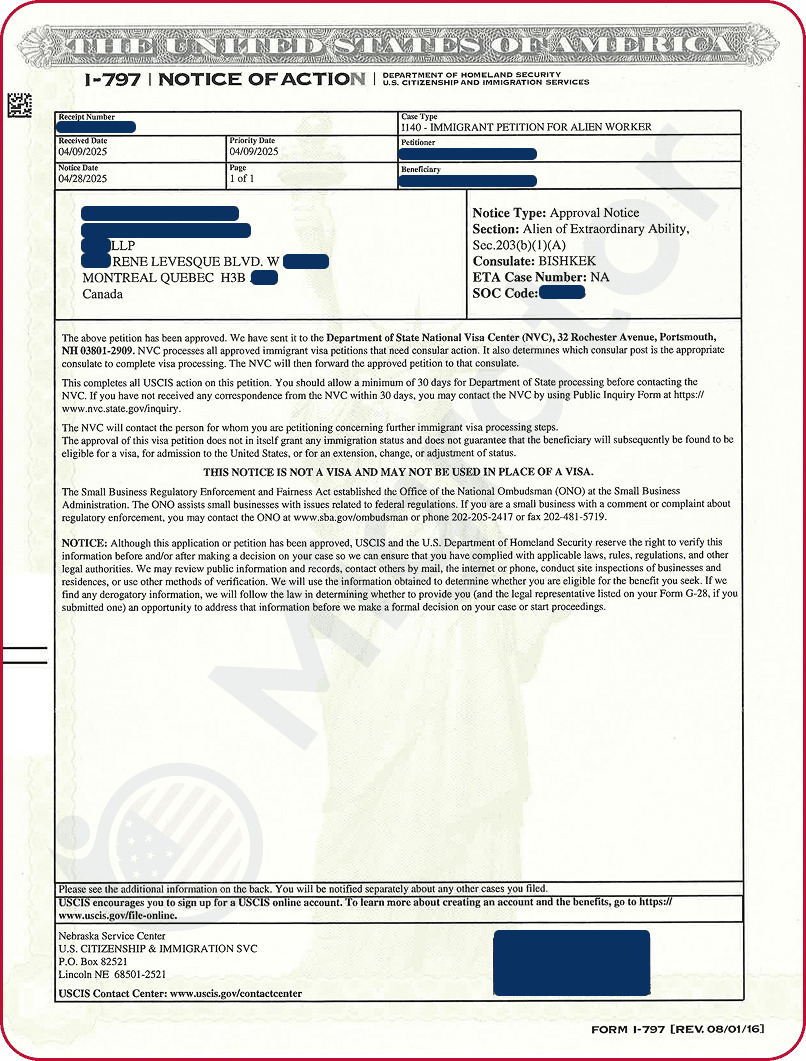
The petition was filed in December without Premium Processing. The team later upgraded the case to expedited processing. The Premium Processing request was submitted in April, after which USCIS approved the petition without an RFE in 10 business days. The total time from the initial filing was slightly more than four months.
This case shows that an IT entrepreneur must prove more than company ownership: the petition must establish the applicant’s personal role, professional recognition, the significance of the applicant’s work, and its influence on the industry.
Immigration outcome. Approval of the EB-1A petition for the founder of a technology company without a request for additional evidence. USCIS issued its decision 10 business days after the Premium Processing upgrade.
Preparation strategy. The team compared EB-1A and EB-1C and selected the category whose requirements better matched the client’s actual experience. The petition included six groups of evidence. The high-compensation criterion was deliberately omitted because the client’s income came from several sources and would have required a disproportionately complex explanation.
The Premium Processing upgrade was deferred. The petition was first submitted for regular processing; after receipt of the receipt number and a change in the client’s plans, the expedited-processing request was filed in April.
Plans after approval. The client was already in the United States in another status when the petition was filed. The I-140 approval allowed him to proceed to the next stage of his individual immigration process.
Case breakdown
How the Migrator team won EB-1A approval for an IT and business professional
Starting point
The client is a company founder and a specialist in digital transformation and cloud technology. His professional history included achievements that could support EB-1A: a leadership role, an award, media coverage, judging, a technology development, and authored material in professional publications.
The team also considered EB-1C because the client had management experience and was already in the United States. However, documenting his employment abroad and compliance with EB-1C’s qualifying corporate requirements was more difficult, so the team selected EB-1A.
Case details
The result
The EB-1A petition for the founder of a technology company was approved without an RFE.
After the Premium Processing upgrade, the decision was issued within 10 business days.
The total time from the initial filing was slightly more than four months.
Advice for entrepreneurs and IT professionals considering EB-1A
Start not by counting titles and companies, but by taking inventory of the evidence:
— what personal role did you play in developing the business or product;
— which results can be measured;
— who can independently confirm the significance of your work;
— which awards, publications, and invitations are connected to your name;
— whether you have evaluated the work of other professionals;
— whether you have published professional material;
— whether the impact of your development on the market or industry can be documented.
If you are considering both EB-1A and EB-1C, compare the specific requirements and the documents you can establish rather than the apparent attractiveness of the category names.
A strong entrepreneur case demonstrates not merely a successful business, but personal professional recognition, influence, and a documented connection between the applicant and the company’s results.
Why this case matters for those searching for Migrator reviews
This is why professionals considering immigration to the United States often search for Migrator reviews and real approval stories rather than relying only on general descriptions of visa categories.

US visa consultation
If you are an entrepreneur, executive, or IT professional considering EB-1A, begin with an assessment of your professional profile. The Migrator team will review your projects, roles in companies, awards, publications, developments, and other achievements, compare potentially relevant immigration paths, and explain which evidence can already be used and which parts of the case need to be strengthened.
During the consultation, the Migrator team will:
— review your professional profile
— verify your diploma and level of education
— evaluate your project from the NIW perspective
— show the strengths and weaknesses of the case
Submit a request for a free assessment of your US visa chances.
Free consultationOther cases
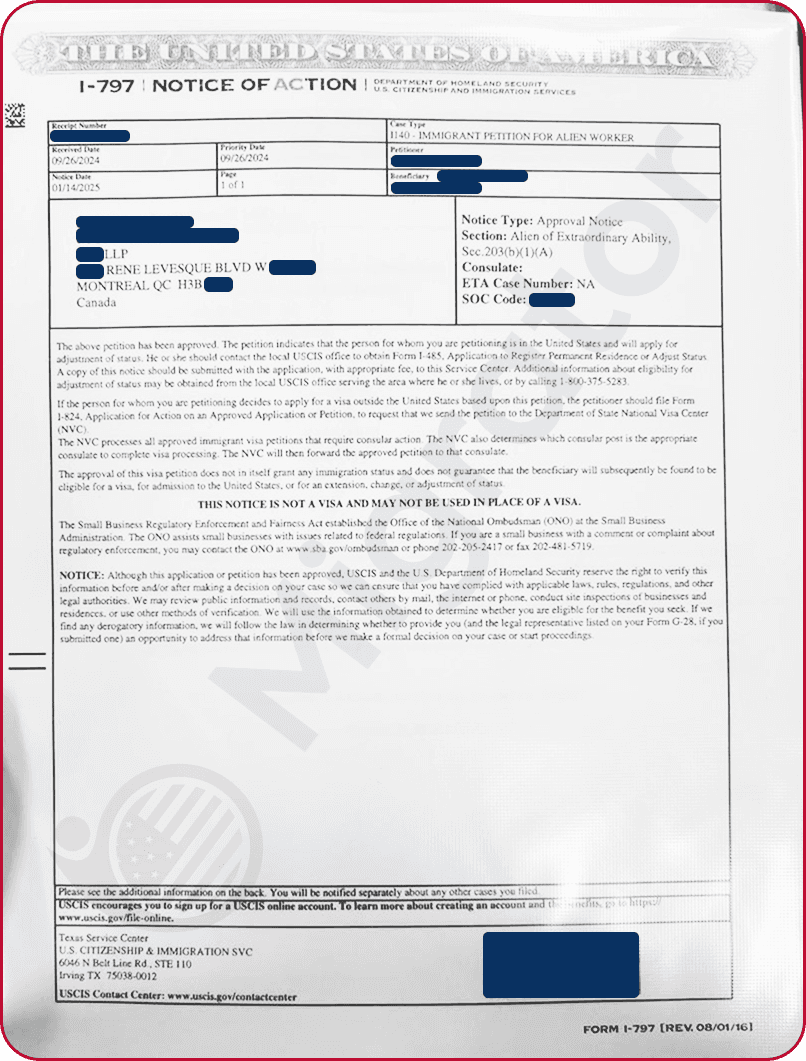
EB-1A Approved for an Education Entrepreneur
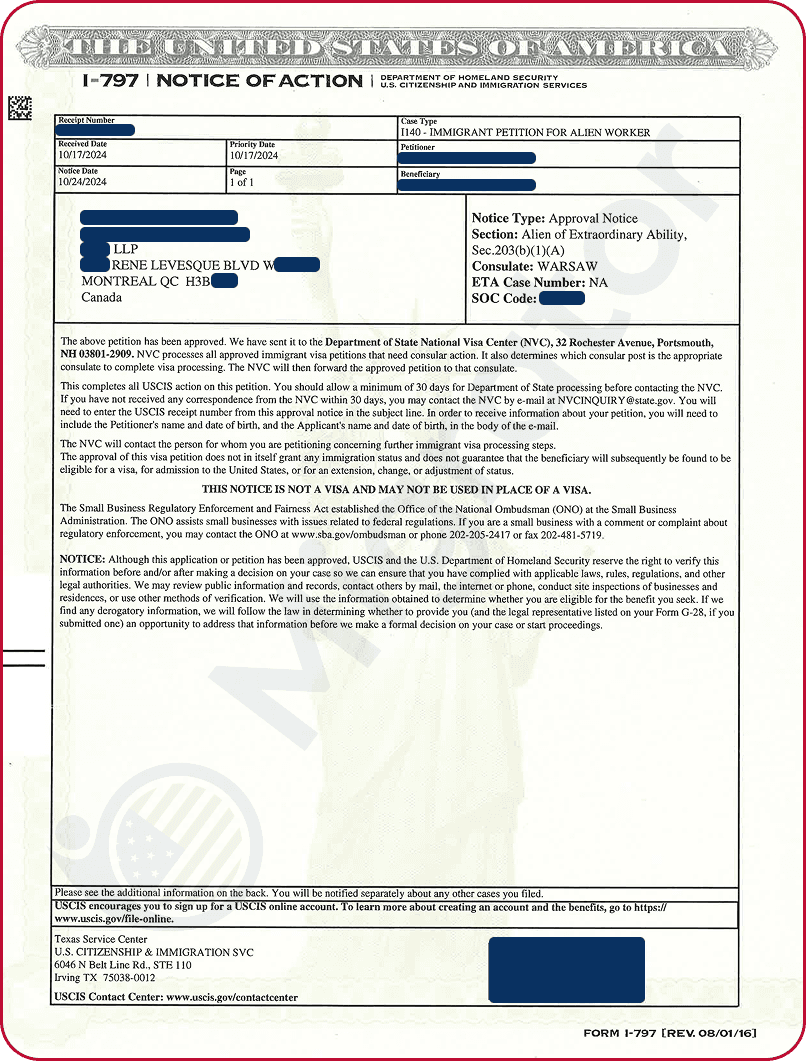
EB-1A approved for an oncologist and clinical cytopathologist
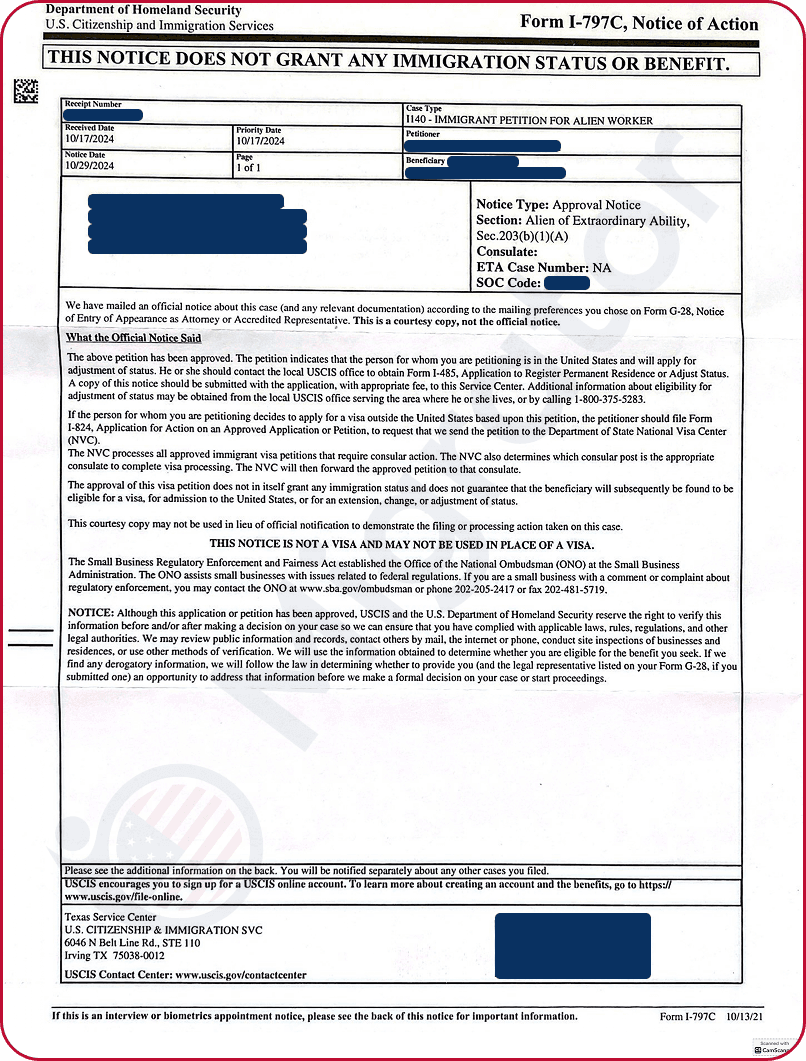
EB-1A Approved for a Circus Artist in the Arts
EB-1A Approved for an Entrepreneur After 4 Denials
EB-1A Approved for a Marketing Entrepreneur
EB-1A Approved for a Real Estate Appraisal Expert
EB-1A Approved for an Architect and Construction Entrepreneur